What started off as an NBC skit about an American football coach managing a European football club ended up becoming a TV series that, I’m assuming, single-handedly keeps Apple TV’s marketing team employed.
Jason Sudeikis kills it. I thought he was solid in projects like We’re the Millers and Horrible Bosses, but he takes his performance here to another level. Only a handful of actors could have pulled off that specific blend of charm and depth so well: maybe Paul Rudd, Adam Sandler, or Ryan Reynolds (especially since he co-owns Wrexham). The supporting cast is brilliant, too. Hannah Waddingham plays Rebecca to perfection as a classy yet firm owner of a football club trying to claw its way back to relevance. She initially carries a layer of angst, wanting to tank the club just to spite her ex-husband, before ultimately fighting for it as a woman in a male-dominated sport and owning every single scene she walks into.
Beyond the comedy, the individual storylines of the players and coaches are full of metaphors for life, ego, and personality. A couple of them really stood out to me:
Nathan Shelley
First is Nathan Shelley’s storyline. The child of immigrants born with a genius for tactics, Nathan starts as the kit man for AFC Richmond and works his way up to assistant coach. Along the way, he battles deep insecurity. Feeling emasculated, overlooked by his peers, and tired of settling for far less than he deserves, he goes searching for absolute power, only to realize that nothing is more important than personal values, morality, and love. In an increasingly competitive world, people often think that reaching a position of power will absolve them of their demons. In reality, those demons only get louder as you climb higher. You have to confront them at every stage of your life to bring perspective, values, and meaningful change.
Ted Lasso
If Nathan Shelley were a place, Ted Lasso would be his antipode. Ted is a happy-go-lucky guy who keeps a plethora of quotes in his back pocket in case his team ever needs one, brings biscuits to his boss every morning (I will definitely be trying this; if it worked for Ted Lasso, that’s good enough for me), and acts as a father figure to half the locker room. Yet beneath the optimism, he is harboring deep sorrow: navigating a divorce, being an ocean away from his son, learning to let go of his marriage, and processing the trauma of how he lost his father. The show captures the weight of human emotion remarkably well, wrapping life's heaviest truths inside the warmth of a comedy.
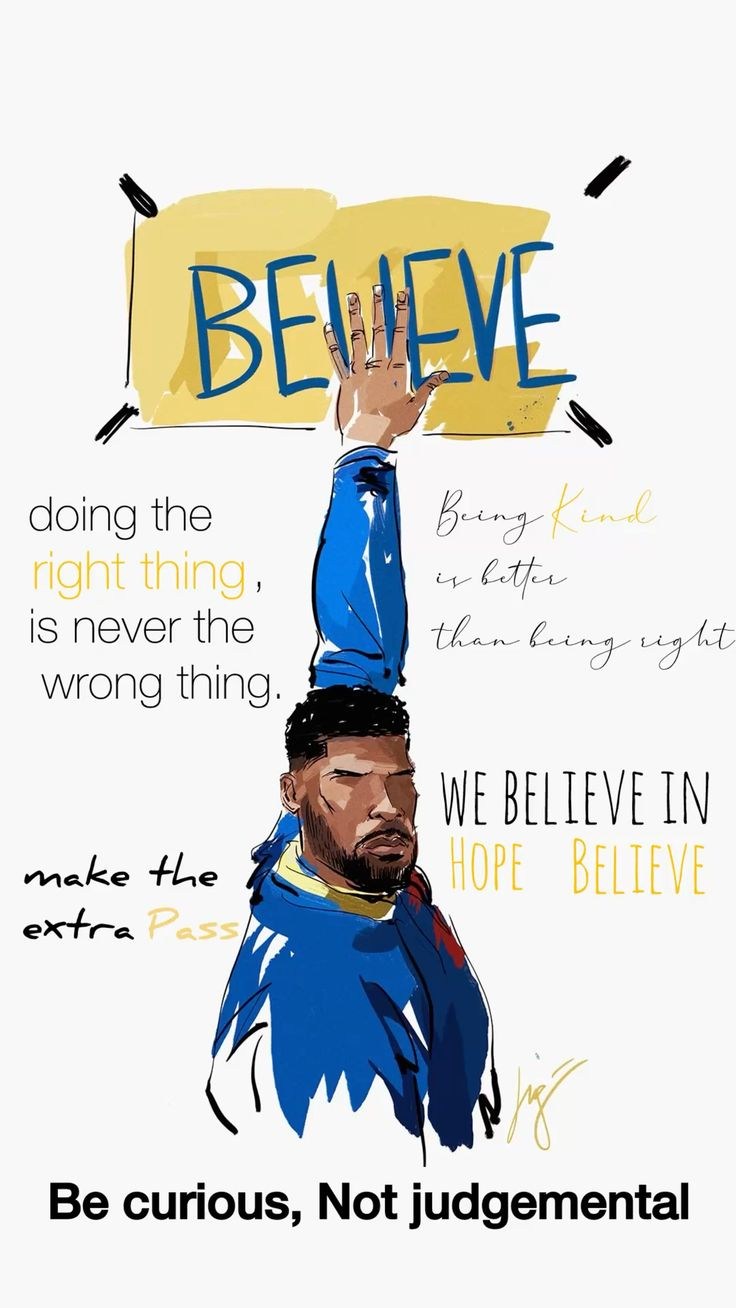
BELIEVE · FAN ILLUSTRATION
I completely understand why people call it one of the most inspiring shows on television. It motivates you to do more, be more, and love more. All you ever need to do in life is… believe.
Tags: TV Leadership Ted Lasso